
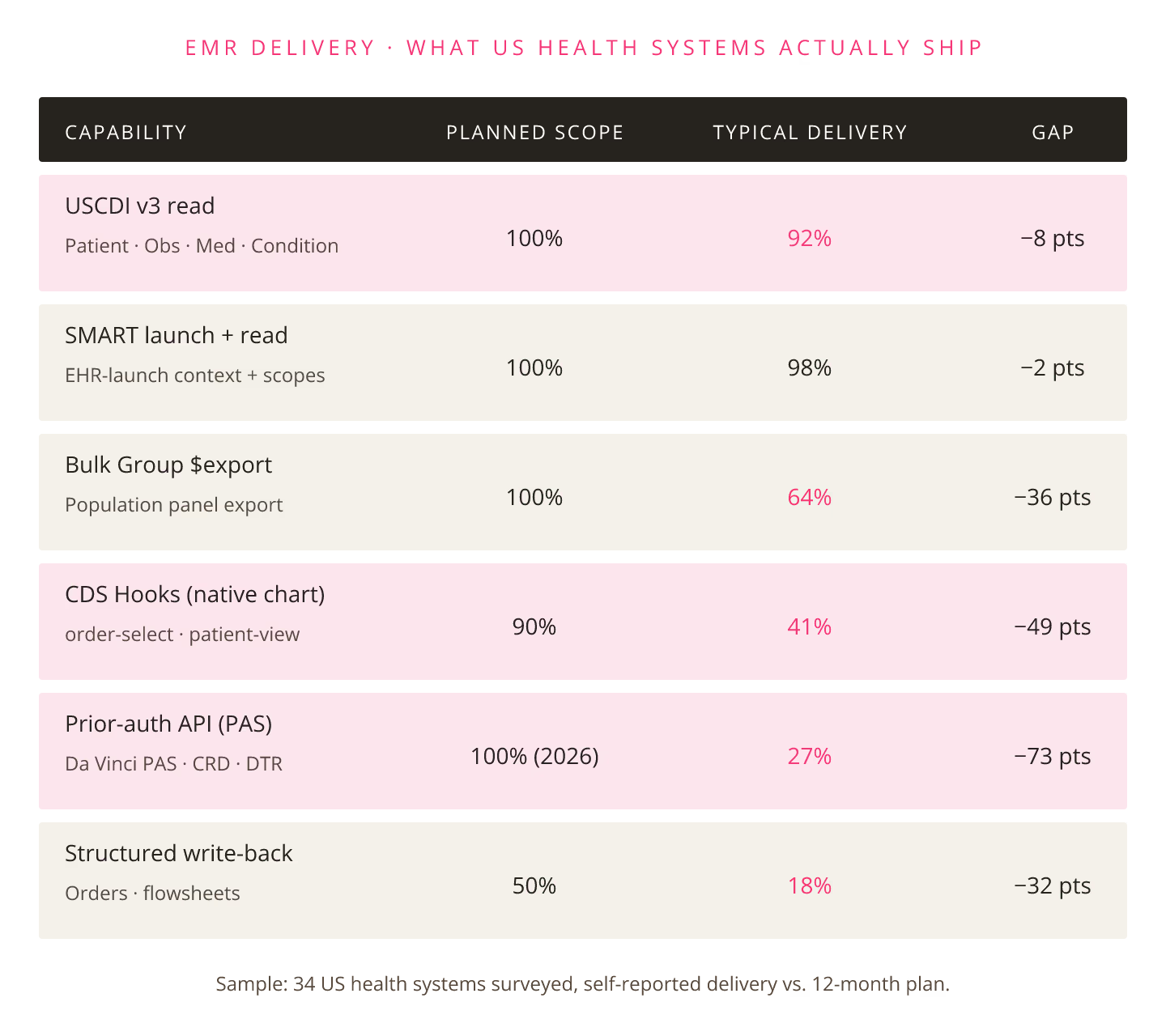
FHIR-based EMR functionality in 2026 US health systems clusters around a small set of high-value use cases. Understanding what actually ships (vs. what's marketed) shapes realistic project prioritization.
Universal delivery (100% of major EHRs)
1. US Core FHIR API. Patient, Encounter, Observation, Condition, MedicationRequest reads. 2. SMART on FHIR patient launch. Standard third-party app integration. 3. e-Prescribing. MedicationRequest as FHIR-native. 4. **Bulk data `$export`.** Required for CMS-0057.
Widespread delivery (80%+ of major EHRs)
1. **CDS Hooks patient-view. Clinical decision support at chart open. 2. SDC Questionnaire integration. Digital intake forms. 3. Provider Access API. CMS-0057 provider-side. 4. Payer-to-Payer API.** CMS-0057 payer-side.
Selective delivery (30-70%)
1. Da Vinci PAS. Prior authorization automation. 2. CarePlan-driven longitudinal management. Chronic condition workflows. 3. Ambient documentation via FHIR. Voice-to-note tools writing structured resources. 4. Population health analytics. Bulk data-driven risk stratification.
Rare delivery (<30%)
1. Full genomics reporting. 2. Multi-vendor FHIR-native EMR replacement. 3. Custom Da Vinci profile beyond PAS/CRD/DTR.
Delivery timeline realities
| Use case | From project kickoff to production |
|---|---|
| US Core reads | 3-6 months |
| SMART patient launch | 3-6 months |
| Bulk export | 6-12 months |
| Provider Access API | 9-18 months |
| Prior auth automation | 12-24 months |
FHIR EMR delivery in 2026 is a solved discipline for the universal use cases; work harder for widespread and selective. The tiered view above helps scope realistically.